
What is CRM Lead Management?
- Fluxly Team

- Aug 9, 2024
- 2 min read
CRM Lead Management is a process integrated within a Customer Relationship Management (CRM) system that helps businesses manage potential customers (leads) from the moment they are identified until they are converted into paying customers. This system ensures that no lead is lost and that each one is nurtured appropriately through the sales funnel.
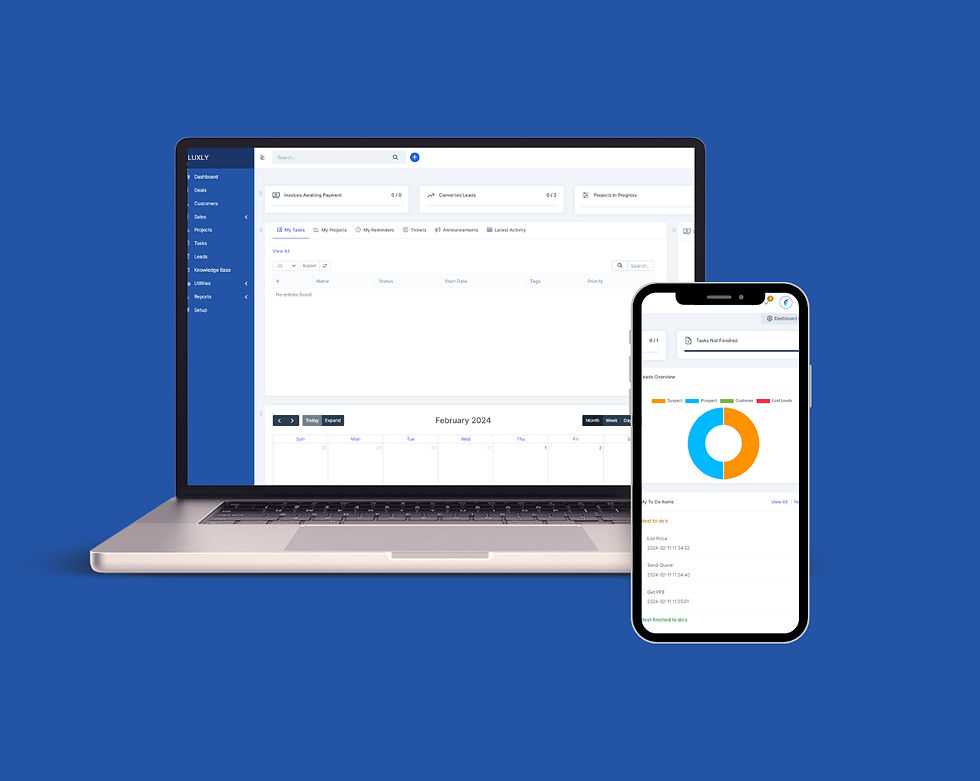
Key Components of CRM Lead Management
Lead Capture:
Forms and Landing Pages: Create and use customizable forms on your website to capture lead information.
Integrations: Connect your CRM with other lead generation tools, like social media platforms, email marketing systems, and third-party lead providers.
Manual Entry: Allow sales teams to manually input lead information collected from events, calls, or other offline sources.
Lead Tracking and Organization:
Lead Source Identification: Track where leads are coming from, whether it’s organic search, paid campaigns, social media, or referrals.
Lead Scoring: Assign scores to leads based on their behavior, engagement level, and demographic information to prioritize follow-up efforts.
Segmentation: Categorize leads based on different criteria such as industry, company size, behavior, or geographic location to tailor communication and marketing efforts.
Lead Nurturing:
Automated Workflows: Set up automated email sequences to engage and nurture leads over time.
Personalized Communication: Use data to personalize emails, messages, and offers based on the lead’s behavior and preferences.
Multi-Channel Engagement: Reach out to leads via multiple channels including email, social media, phone calls, and SMS.
Lead Qualification:
Qualification Criteria: Define criteria that determine whether a lead is ready to be passed to the sales team.
Sales and Marketing Alignment: Ensure sales and marketing teams are aligned on what constitutes a qualified lead to improve the handoff process.
Conversion and Follow-Up:
Sales Automation: Use CRM tools to automate parts of the sales process, such as setting reminders, scheduling follow-ups, and tracking communication history.
Analytics and Reporting: Analyze the effectiveness of lead management strategies with built-in CRM analytics and reporting tools to continually improve the process.
Lead Retention:
Customer Onboarding: Once a lead converts, ensure a smooth transition with a structured onboarding process.
Post-Sale Follow-Up: Maintain engagement with new customers through follow-up emails, surveys, and additional offers to build long-term relationships.
Benefits of CRM Lead Management
Improved Efficiency: Automate repetitive tasks and streamline the lead management process.
Enhanced Customer Experience: Provide timely and relevant communication to leads, improving their overall experience with your brand.
Increased Sales: Prioritize and engage the most promising leads, increasing the likelihood of conversion.
Better Data Management: Keep all lead information organized and easily accessible for your team.
Insightful Analytics: Gain insights into lead sources, conversion rates, and the effectiveness of your marketing campaigns.
CRM led management is a vital component of any business’s sales and marketing strategy. By effectively capturing, nurturing, and converting leads, businesses can ensure they maximize their sales potential and build strong, lasting customer relationships. With a robust CRM lead management system, you can streamline your processes, enhance customer engagement, and drive revenue growth.



Comments